





North Carolina Construction in 2025: Key Trends and What They Mean for Builders
As 2025 draws to a close, North Carolina's construction industry remains one of the strongest in the nation, ranking fifth for overall activity. Steady job growth, a diverse economy, and ongoing infrastructure needs keep projects moving forward. But challenges like material costs, labor shortages, and policy changes are shaping how builders approach commercial work. This article looks at the major trends defining the year and what they signal for contractors in the Triad, Charlotte, and beyond.
Public Projects Lead the Way
Public-sector funding has been a reliable driver in 2025, with increases in transportation, education, and community facilities. State initiatives and federal Infrastructure Investment and Jobs Act dollars continue to support road upgrades, school builds, and transit-oriented developments. In areas like the Triad and Raleigh, contractors report more bids for mixed-use spaces tied to public efforts, providing stable work amid private-sector caution.
Material Costs and Supply Issues
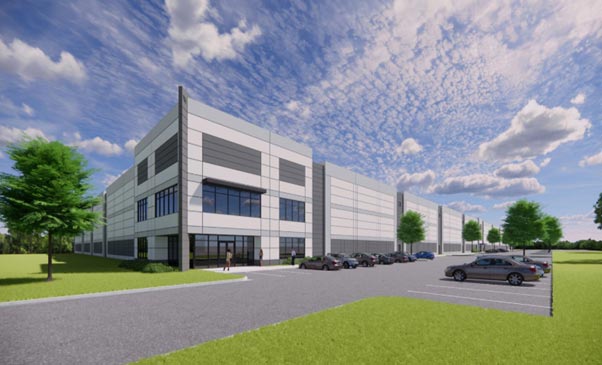
Costs for steel, lumber, and other essentials rose 5-10% through much of the year, influenced by tariffs and global supply strains. While some fluctuations eased in the fall, builders still recommend 10-15% budget buffers for commercial projects. Prefabricated and modular methods gained traction in North Carolina, helping cut on-site expenses and timelines, especially for warehouses and offices in growing logistics hubs.
Labor Shortages Persist
The workforce gap remains a hurdle, with thousands of unfilled positions statewide. Skilled trades like electricians and carpenters are in high demand, and immigration policy shifts have tightened the labor pool further. Community college apprenticeships and tech tools—like AI scheduling and drones—are helping fill roles and boost efficiency. Contractors investing in training and flexible hiring are seeing the best results, turning a challenge into a way to stand out.
Private-Sector Shifts
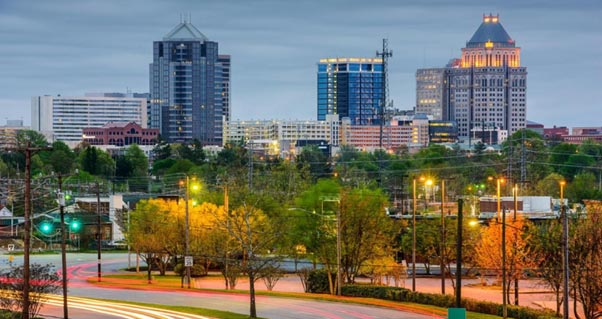
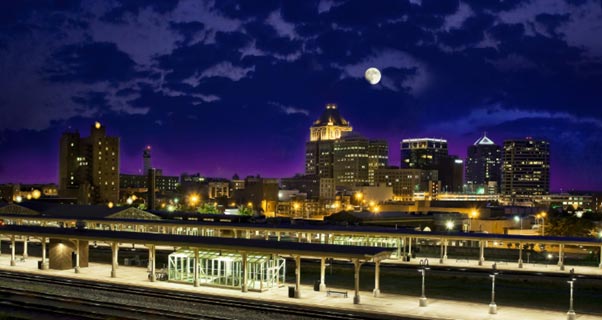
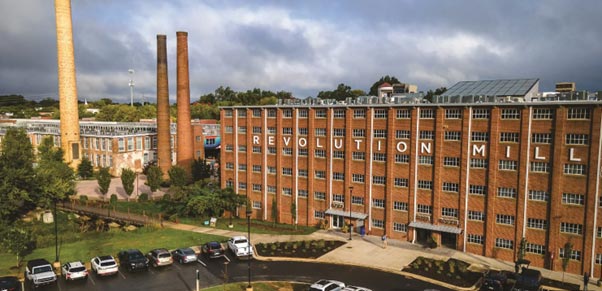
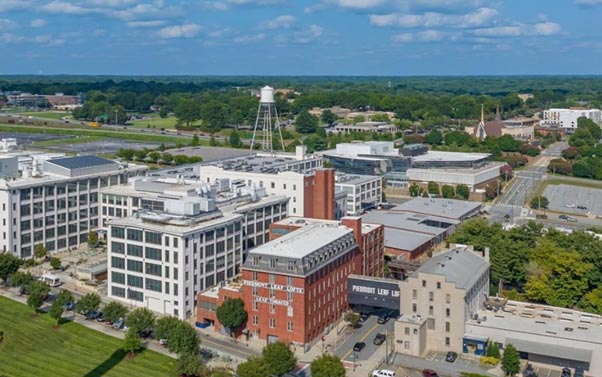
Private commercial activity has been mixed, with strength in healthcare facilities and data centers but slower office and retail starts due to hybrid work patterns. Adaptive reuse—transforming old warehouses into flexible spaces—continues to rise, particularly in urban areas like Greensboro and Charlotte. Industrial and manufacturing projects, driven by reshoring, kept momentum strong in the Triad.
Looking to 2026
North Carolina's construction market heads into 2026 with cautious optimism. Public funding offers stability, while private growth depends on economic signals. Builders who embrace technology, sustainable practices, and workforce development will be best positioned. For commercial contractors in the state, planning ahead with realistic budgets and strong partnerships is key to navigating what's ahead.
Cirrus Construction stays focused on delivering reliable commercial projects across North Carolina. Contact us to discuss how we can support your next build.